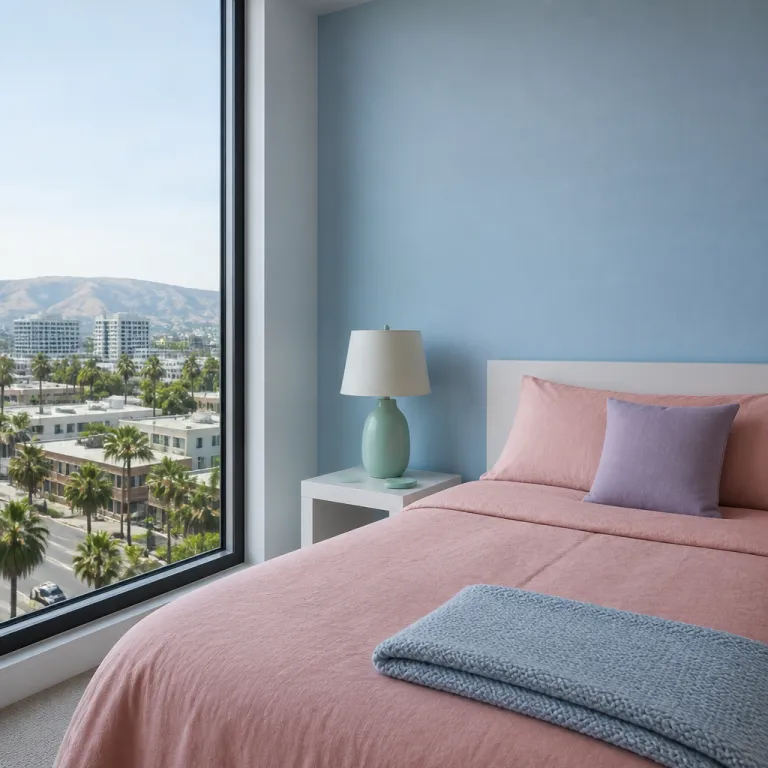
Why your first hotel stay shapes your move to San Jose
When you are moving to San Jose, California, tips about where to sleep first matter more than most people expect. Your initial hotel choice becomes a quiet command center for understanding the city, checking the real cost of living, and planning each move across this complex urban landscape. For anyone arriving from another state or from nearby San Francisco or the wider Bay Area, that first address in the city sets the tone for how you will explore neighborhoods, evaluate housing, and negotiate prices with local real estate agents.
Think of your hotel as a temporary version of the San Jose homes you hope to secure, a neutral space where you can compare different types of housing and decide which area of the valley truly fits your lifestyle. Many guests use their stay to walk or drive from the hotel to potential homes, testing commute times to tech offices in Silicon Valley and to campuses in Santa Clara or downtown San Jose. This approach turns a simple booking into a strategic base for relocation research, especially when you are still calculating the cost of living gap between your previous city and this high demand market.
Because the cost of living in San Jose is high, with a typical home value in the wider metro area now well above one million dollars as of 2024 (based on aggregated estimates from major real estate platforms and regional market reports), that single reality should influence where you stay, how long you book, and how quickly you move from hotel room to permanent address. A well located hotel near a VTA light rail station, a major park, or a key creek trail can save you hours of driving while you explore the city and meet with real estate professionals who understand both rental and purchase markets.
Choosing the right area san jose for your hotel and future home
Location is the first serious decision when you are moving and booking a hotel in this city that stretches across the valley floor. If you want a preview of leafy residential streets and family friendly living, consider staying near Willow Glen, where low rise homes and tree lined avenues give a softer introduction to Silicon Valley life. A hotel in or near Willow Glen lets you walk to cafés, observe local routines, and judge whether this type of neighborhood matches the San Jose homes you imagine for your long term move.
Travelers focused on tech careers often prefer a hotel closer to North San Jose or Santa Clara, where office parks, data centers, and corporate campuses dominate the skyline. From there you can explore housing options that shorten your commute, compare the cost of living between different zip codes, and test how long it takes to reach downtown, the airport, or even San Francisco by car or Caltrain. If you are considering Silver Creek or other hillside communities, a hotel in East San Jose gives you faster access to those homes while still keeping you close to the main freeway network and VTA light rail connections.
Guests who want a more urban rhythm usually choose a hotel in downtown San Jose, close to the San Pedro Square Market and the SoFA arts district. Staying here helps you explore the city on foot, visit a museum or contemporary art gallery, and understand what living in the core feels like after dark. From a central base you can easily drive out to the Rose Garden area, the creek trail network, or quieter pockets of the Bay Area, then return at night to evaluate whether downtown noise levels and prices suit your long term housing plans.
Balancing hotel budget with long term cost of living
Anyone researching moving to San Jose, California tips quickly learns that accommodation prices reflect the wider housing market. Average rents for one bedroom apartments often sit far above many other American cities, and hotel rates follow the same pattern, especially during major tech conferences or sports events in Santa Clara. Treat your hotel bill as an early lesson in the real cost of living here, a live demonstration of how demand in Silicon Valley shapes every nightly rate and every square metre of space.
When you compare hotels, look beyond headline prices and study what each address offers in terms of parking, breakfast, and access to public transport such as VTA light rail. A slightly higher nightly cost near a station, a major park, or a central creek trail may reduce your need for a rental car and lower your overall move expenses. If you are visiting with family, calculate how much you save by choosing a hotel with kitchenettes, laundry facilities, or flexible room types that mirror the homes you plan to rent or buy.
Use this stay to test realistic monthly budgets for living in San Jose, including food, commuting, and leisure in the Bay Area. Dine once in a downtown restaurant, once in a neighborhood spot in Willow Glen, and once near Silver Creek to compare prices and atmospheres. These concrete experiences help you decide which part of San Jose aligns with your income, your expectations, and your long term real estate strategy, whether you aim to rent first or move directly into ownership.
Using your hotel as a base to explore neighborhoods and housing
Once you have checked in, treat your hotel as a staging point for systematic neighborhood tours across the city. Start early with a loop through downtown San Jose, the historic Rose Garden district, and the residential streets of Willow Glen to see how different homes feel at various times of day. Bring a notebook or digital file where you record addresses, housing types, and first impressions, because these details blur quickly when you move through many districts in a single visit.
Dedicate another day to the eastern side of the valley, where Silver Creek and nearby hillside communities offer larger San Jose homes, golf course views, and quieter streets. From a central hotel you can drive out in the morning, walk local park paths or a nearby creek trail, and speak with residents about commuting patterns into central San Jose or Santa Clara. This is also the moment to meet local real estate agents who understand both rental contracts and purchase negotiations, giving you grounded advice on prices and availability.
On a third day, focus on the tech corridors that define Silicon Valley, including North San Jose, Santa Clara, and routes toward San Francisco. Use your hotel’s concierge or front desk team to map the fastest ways to reach major campuses by car, bus, or VTA light rail, then test those routes during peak hours. As you travel, pay attention to where new housing developments rise, which museum or contemporary art venues anchor cultural life, and how each area balances work, leisure, and daily living for long term residents.
Evaluating lifestyle, parks, and culture while you stay in a hotel
Moving to San Jose is not only a financial decision; it is a lifestyle choice shaped by parks, culture, and everyday rhythms. Use your hotel stay to sample these elements, starting with early walks through the Municipal Rose Garden or along a shaded creek trail near your chosen area. Notice how many people are out exercising, walking dogs, or commuting by bicycle, because this reveals how outdoor living fits into the city’s identity.
Plan at least one afternoon around culture, visiting a museum such as the San Jose Museum of Art or the Institute of Contemporary Art in the SoFA district. From many central hotels you can reach these institutions on foot or via VTA light rail, which helps you judge whether car free weekends will be realistic once you move. If you are relocating with children, check how close potential homes are to libraries, playgrounds, and family friendly attractions, then compare those distances with your current hotel address to understand daily logistics.
Evenings are ideal for testing nightlife and dining options across different parts of the Bay Area, from downtown San Jose to Willow Glen and nearby Santa Clara. Ask hotel staff which restaurants they personally frequent, then walk or drive there to gauge safety, lighting, and parking after dark. These small observations, repeated over several nights, give you a nuanced picture of living in San Jose in each neighborhood and help you refine your shortlist of homes before you commit to a lease or purchase.
Practical moving logistics from hotel room to permanent address
Once you have chosen a neighborhood and identified suitable homes, your hotel becomes a coordination hub for the final move. Use the stable address to receive documents from real estate agents, schedule inspections, and meet moving companies that will handle your belongings. Many hotels in San Jose are accustomed to relocation guests and can recommend trusted partners for packing, storage, and short term transport across the city or from other parts of California.
Confirm the exact move in date for your new address, then adjust your hotel booking so there is at least one overlap night between keys. This buffer allows you to clean, measure rooms, and check utilities in your new home while still having a quiet place to sleep and work. If you are arriving from San Francisco or another Bay Area city, coordinate with movers to deliver items early in the day, leaving time to resolve any issues before you fully leave the hotel.
Finally, use your last days in temporary accommodation to complete administrative tasks that anchor your long term living in San Jose, such as updating driving licences, registering for local services, and learning VTA light rail routes. Walk once more through your chosen park or along a nearby creek trail to confirm that the area feels right in different light and weather. When you check out, you should feel that your stay has transformed moving from an abstract plan into a grounded reality, supported by clear knowledge of prices, housing types, and the everyday texture of life in this Silicon Valley city.
Key figures for planning your move and hotel stay in San Jose
- Recent summaries from major listing services suggest that typical home values in San Jose and the surrounding metro are now well above one million USD as of 2024, which places the city among the most expensive real estate markets in the United States and should heavily influence your housing and hotel budget planning.
- Average rent for a one bedroom apartment commonly falls in the mid to high 2,000 USD per month range according to current rental market overviews, meaning that an extended hotel stay can quickly approach the same monthly cost if you do not transition efficiently into a long term lease.
- San Jose has a population close to one million residents based on the latest U.S. Census Bureau estimates, so newcomers should expect a dense urban environment with strong demand for both hotels and permanent homes, especially in central and tech focused districts.
- Commute times within the wider Bay Area can vary significantly, so testing routes from your hotel to Santa Clara, San Francisco, and major Silicon Valley campuses is essential before committing to a specific neighborhood.
FAQ about moving to San Jose and choosing a hotel base
What is the real cost of living in San Jose compared with other cities ?
The cost of living in San Jose is high, driven mainly by housing and real estate prices that exceed many other American metropolitan areas. With typical home values now well into seven figures in many neighborhoods and strong demand from the tech sector, both rents and hotel rates reflect intense competition for space. Anyone planning a move should build a detailed budget that includes accommodation, transport, food, and leisure across the Bay Area.
Which neighborhoods should I focus on during a hotel based scouting trip ?
For a balanced first impression, many relocation guests split their time between downtown San Jose, Willow Glen, and the Rose Garden district. These areas showcase different housing types, from apartments and townhomes to detached homes on quieter streets. If you work in tech, you may also want to explore North San Jose, Santa Clara, and Silver Creek to understand commute patterns into Silicon Valley campuses.
How long should I stay in a hotel before signing a lease or buying a home ?
Most movers benefit from at least one to two weeks in a well located hotel, long enough to explore several neighborhoods, meet real estate agents, and attend viewings. The exact duration depends on your familiarity with the city and how quickly you can secure suitable housing. Because hotel prices are high, it is wise to arrive with prearranged appointments and a clear shortlist of areas.
Is it necessary to rent a car while staying in a hotel during my move ?
A car offers flexibility for touring distant neighborhoods such as Silver Creek or hillside communities, but it is not always essential. If you choose a hotel near VTA light rail and central bus routes, you can reach downtown, museums, and some residential areas without driving. Many movers combine public transport for city exploration with short term car hire for focused housing days.
Which season is best for planning a hotel based relocation trip to San Jose ?
San Jose has mild winters and warm, dry summers, so you can plan a move at almost any time of year. Visiting during a shoulder season with fewer major tech events can reduce hotel prices and crowding, giving you more flexibility for last minute changes. Whenever you come, try to experience at least a few different weather conditions to see how parks, traffic, and daily living feel across the city.