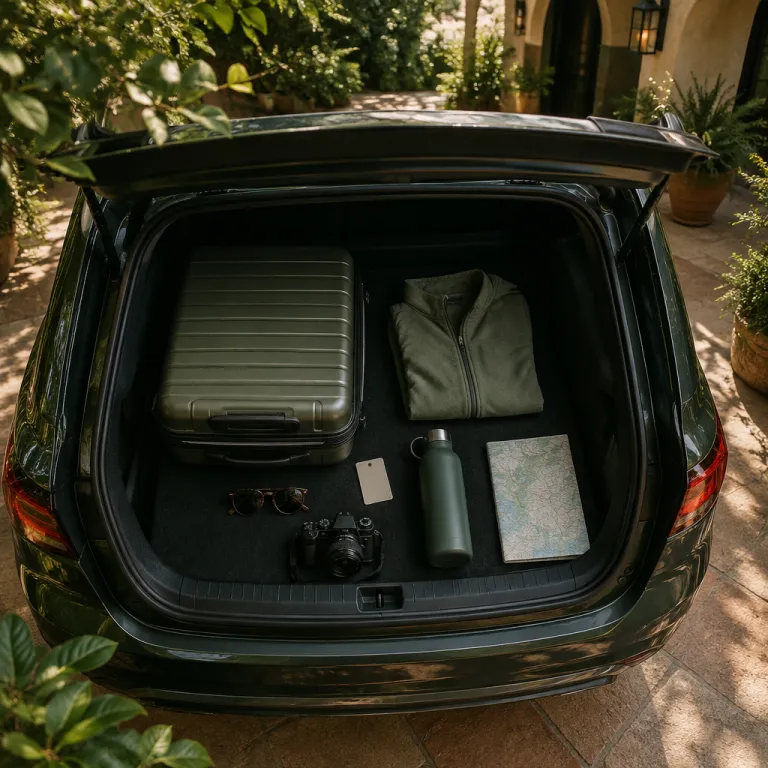
Why San Jose is a smart base on a united states west coast road trip
San Jose sits quietly between San Francisco and the vineyards of the South Bay, which makes it a strategic pause on any United States west coast road trip. When you plan a long journey along the American West, this city offers a calm overnight stop between coastal highway sections and inland national parks, especially if you are driving from Oregon or down from Washington State. Many travelers now design their trip days so that the drive from San Francisco to San Jose is short, leaving time to explore wine country or a nearby park before continuing the road trip south.
On a classic Pacific coast itinerary, you might start your trip in Seattle, follow US‑101 and Highway 1 through Oregon, then reach San Francisco before turning inland toward Yosemite National Park or south toward Big Sur and Santa Barbara. In that context, San Jose becomes more than a simple road junction; it is a comfortable base where you can reset your time schedule, enjoy a refined hotel such as the Signia by Hilton San Jose or Hotel Valencia Santana Row, and prepare for the next national park or canyon on your list. The city’s location also works well if you are linking coastal trip destinations like Cannon Beach and Big Sur with desert icons such as Death Valley or the Grand Canyon during a longer road trip loop of the American West.
Travel planners often ask “What’s the best starting point?” and the expert answer is clear: “Seattle or San Francisco depending on route length.” If you choose San Francisco as your gateway, staying in San Jose on the first or last day of your United States west coast road trip shortens the drive to or from Yosemite National Park and the wider Yosemite region. That flexibility helps you balance long road sections, city time in San Francisco or Los Angeles, and quieter days among vineyards, redwood parks, and South Bay hills.
Choosing the right San Jose hotel for wine country and park day trips
When you book a hotel in San Jose, think first about how it will support your wider road trip through California and the American West. If your next national park stop is Yosemite, look for properties with easy access to Interstate 680 and Highway 580 east, so your drive time the following day stays under five or six hours. Travelers heading south along the west coast road toward Big Sur, Santa Barbara, Los Angeles, and San Diego should instead prioritize hotels close to US‑101 or Highway 85, which reduces urban traffic at the start of a long day.
Guests who plan to explore local parks and hiking routes around the South Bay should focus on neighborhoods with quick access to the foothills. For curated options, guides such as where to stay in San Jose for easy access to hiking trails highlight properties near trailheads in Alum Rock Park, Santa Teresa County Park, and the open space preserves that frame the city. These locations work especially well if your United States west coast road trip includes active days between long drives, because you can fit a morning hike into your schedule before continuing toward San Francisco or down the coast road.
Parking is another critical factor on any road trip that passes through San Jose, particularly if your itinerary includes dense cities such as San Francisco, Los Angeles, and Las Vegas. Choose hotels that offer secure on‑site parking with generous clearance, since many travelers on a United States west coast road trip rent larger vehicles for comfort on long days between national parks and canyon regions. If you are planning to visit multiple parks like Yosemite National Park, Death Valley National Park, and even Bryce Canyon or the Grand Canyon later in the trip, confirm that your hotel can store luggage safely so you can reorganize gear for different hike and park days.
South Bay wine country escapes from your San Jose base
San Jose is surrounded by under‑appreciated wine country that fits beautifully into a United States west coast road trip focused on varied landscapes. While many visitors rush from San Francisco to Yosemite or down to Los Angeles, those who pause in the South Bay can enjoy relaxed day trips into the Santa Clara Valley and Santa Cruz Mountains. These vineyard areas offer a quieter counterpart to larger California wine regions, and they pair well with a slower road trip rhythm after intense days in national parks or big cities.
From a central San Jose hotel, you can plan a day drive of less than 80 km to reach tasting rooms in Saratoga, Los Gatos, and the hills above Gilroy. The winding road into the Santa Cruz Mountains feels like a miniature canyon drive, with forested slopes and viewpoints that recall sections of the American West near Yosemite National Park’s surrounding forests, but on a gentler scale. Many travelers schedule these wine country days between more demanding trip segments, for example after a long drive from Oregon or before heading toward Death Valley or Las Vegas.
To structure these excursions efficiently, use curated itineraries such as the San Jose California day trips from your hotel base, which outline realistic drive times and stop combinations. A typical wine‑focused day might combine a short hike in a regional park with two vineyard visits and a late return to your San Jose hotel for a quiet evening. This pattern keeps your United States west coast road trip balanced, alternating intense national park days at places like Yosemite National Park or the Grand Canyon with softer cultural experiences in California’s lesser‑known wine country.
Linking San Jose with iconic national parks and canyon landscapes
For many travelers, the highlight of a United States west coast road trip is the sequence of national parks and canyon landscapes that define the American West. San Jose plays a subtle but important role in that chain, acting as a rest point between coastal California and inland giants such as Yosemite National Park, Death Valley National Park, Bryce Canyon National Park, and the Grand Canyon. By planning one or two nights in the city, you can break long road sections into manageable trip days and arrive at each park with enough energy to hike and explore properly.
From San Jose, the drive to Yosemite is typically around 300 km via I‑680, I‑580, and Highway 120, which makes it ideal for a single day road segment with time left for an afternoon walk in the Yosemite foothills. Travelers continuing a longer loop toward Las Vegas, Death Valley, and the Grand Canyon often return to the coast road afterward, linking back through San Jose before heading north to San Francisco or south to Santa Barbara and Los Angeles. This pattern works especially well on three‑ to four‑week road trips that combine Oregon’s Cannon Beach, California’s Big Sur, and the desert parks of the American West into one coherent route.
Because national parks require early starts to secure parking and avoid crowds, a well‑located San Jose hotel can significantly improve your time management. You might arrive from San Francisco in the late afternoon, reorganize your luggage for two or three park days, then leave before dawn for Yosemite or another national park further east. Over a long United States west coast road trip, these carefully planned pauses in San Jose reduce fatigue, protect safety on the road, and allow you to enjoy each canyon, coast, and park with the attention it deserves.
San Jose as a cultural counterpoint to coast road and canyon drives
Long days on the road between national parks, canyon viewpoints, and coastal cliffs can be exhilarating but also exhausting. San Jose offers a cultural counterpoint to those intense sections of a United States west coast road trip, with museums, galleries, and historic districts that reward slower exploration. After several days of driving from Oregon through San Francisco and down the coast road toward Big Sur, many travelers appreciate an evening in a walkable neighborhood with refined dining and calm streets.
The city’s downtown and nearby districts feature a growing restaurant scene that reflects the wider diversity of California, from regional Mexican cuisine to contemporary Asian and Mediterranean menus. Spots such as San Pedro Square Market, Original Joe’s, and restaurants along Santana Row give you varied options within a short drive of major hotels. If your itinerary includes major urban stops such as Los Angeles, San Diego, and Las Vegas, you may find San Jose’s scale more manageable, with less traffic yet enough cultural activity to fill a rest day between national parks. For travelers interested in antiques and local design, curated guides such as elegant stays near antique stores in San Jose can help you align your hotel choice with specific shopping streets and galleries.
Because a United States west coast road trip often includes iconic coastal stops like Cannon Beach, Big Sur, and Santa Barbara, it is easy to overlook inland cities that offer a different kind of depth. San Jose’s role as a technology hub brings a distinct energy, yet its proximity to parks and wine country keeps nature close, which is rare among large trip destinations. By alternating days in San Jose with drives to the coast, Yosemite, or other national parks, you create a rhythm that keeps both mind and body engaged throughout the journey.
Practical planning tips for integrating San Jose into your west coast itinerary
Thoughtful planning is essential when you integrate San Jose into a longer United States west coast road trip that may stretch from Seattle or Oregon down to San Diego. The most comfortable pattern for many travelers is to limit each road segment to 250–350 km, which usually translates to four or five hours of drive time with scenic stops. Within that framework, San Jose works well as a one‑night stop between San Francisco and Yosemite, or as a two‑night base between coastal days on the Big Sur section of the coast road.
Travel specialists often recommend spring and autumn for a multi‑week road trip through the American West, because temperatures are milder in both coastal areas and desert parks. That advice applies directly to San Jose, where moderate weather in these seasons makes it easier to plan day hikes in nearby parks before or after long drives toward national parks such as Yosemite National Park or Death Valley National Park. If you are combining city time in Los Angeles, San Diego, and Las Vegas with park days in Bryce Canyon, the Grand Canyon, and Yosemite, booking flexible hotel dates in San Jose can help you adjust the route if a road closes or a park becomes crowded.
For travelers who purchase the America the Beautiful pass, which covers entry to most United States national parks for a fixed fee, San Jose serves as a convenient logistics point to organize documents and gear. According to the U.S. National Park Service, the annual pass typically costs around 80 USD, and it becomes cost‑effective if your road trip includes three or more major parks. You can use a rest day in the city to check park alerts, confirm road conditions on mountain passes, and refine your sequence of trip destinations across the west coast and inland canyons. Over the full duration of a United States west coast road trip, these small planning steps taken in San Jose often translate into smoother drives, better‑timed hikes, and more memorable days in every park and city along your route.
Key statistics for planning a united states west coast road trip with a San Jose stay
- The coastal distance from Seattle to San Diego via the main coastal highways is about 2 200 km, which typically requires at least 8 to 10 trip days with one‑ or two‑night stops in cities such as San Francisco, San Jose, Los Angeles, and San Diego.
- A more extensive loop that combines the west coast with inland national parks in the American West, including Yosemite National Park, Death Valley National Park, Bryce Canyon National Park, and the Grand Canyon, often covers close to 4 800 km of road driving over 18 to 21 days.
- The America the Beautiful pass, which grants access to most United States national parks for one vehicle, costs around 80 USD according to the U.S. National Park Service and becomes cost‑effective if your road trip includes three or more major parks such as Yosemite, Death Valley, and the Grand Canyon.
- The driving distance from San Jose to Yosemite Valley is roughly 300 km, which usually translates to four to five hours of drive time depending on traffic and seasonal road conditions on the approach to the national park.
- Typical daily driving distances on a comfortable United States west coast road trip range between 250 and 350 km, allowing time for two or three sightseeing stops, a short hike in a regional park, and a relaxed hotel check‑in at the end of the day.
FAQ about San Jose stays on a united states west coast road trip
How many days should I spend in San Jose during a west coast itinerary ?
Most travelers find that one to two days in San Jose fits well into a United States west coast road trip that also includes San Francisco, Yosemite, and coastal sections such as Big Sur. One night works if you only need a rest stop between long road segments, while two nights allow a full day for wine country or nearby parks. On longer road trips that also visit Death Valley, the Grand Canyon, or Bryce Canyon, a second San Jose stay later in the route can provide a useful reset.
Is San Jose a good base for visiting Yosemite National Park ?
San Jose is not the closest city to Yosemite National Park, but it is a practical base if you are combining the park with San Francisco and the California coast. The drive from San Jose to Yosemite Valley usually takes four to five hours, which makes it suitable for an early start and afternoon arrival. Many travelers use San Jose as a staging point to reorganize gear and rest before two or three intense park days in the wider Yosemite region.
How does San Jose compare with San Francisco as a stop on a road trip ?
San Francisco offers iconic landmarks and dramatic bay views, while San Jose provides easier parking, slightly lower accommodation prices, and faster access to South Bay wine country and regional parks. If your United States west coast road trip focuses on city sightseeing, San Francisco may deserve more time, but San Jose excels as a calm logistics hub between national parks and coastal drives. Some itineraries include both cities, using San Jose for practical overnight stops and San Francisco for longer cultural stays.
Can I visit wine country and still keep my road trip schedule on track ?
Yes, the wine regions around San Jose are close enough to integrate into a tight road trip schedule without major detours. Many vineyards in the Santa Clara Valley and Santa Cruz Mountains lie within 40 to 80 km of central hotels, which allows a full tasting day with limited drive time. By planning these wine days between demanding national park segments, you maintain a balanced rhythm across your United States west coast road trip.
Is it better to start my west coast itinerary in Seattle or San Francisco if I want to include San Jose ?
For travelers who want to include both coastal highlights and inland national parks, starting in San Francisco often makes it easier to integrate San Jose as an early or late stop. However, expert guidance notes that “What’s the best starting point? Seattle or San Francisco depending on route length.” If you have three to four weeks and plan to drive the full west coast from Oregon and Washington down to San Diego, either starting point can work, with San Jose serving as a flexible base in the central California section.