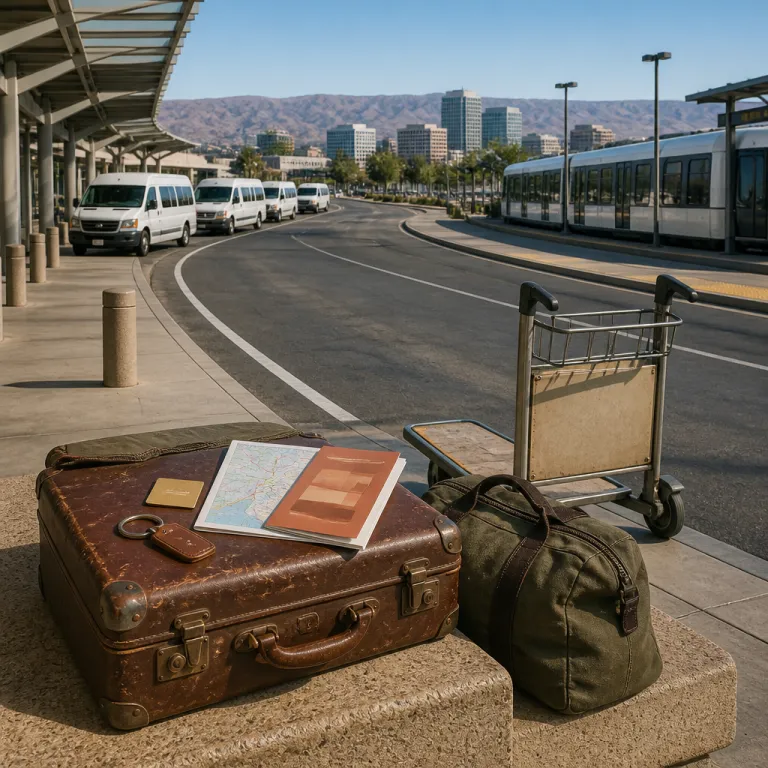
Why airport to downtown planning matters for your San Jose hotel stay
Landing at San Jose Mineta International Airport sets the tone for your entire stay. When you understand San Jose airport to downtown transportation in advance, you can match the right transfer to your hotel location and your travel style. This is especially important if you are arriving late at the terminal, carrying heavy luggage, or heading straight into meetings in downtown San Jose.
Most central hotels sit within about 5 kilometres (around 3 miles) of SJC, so the airport–downtown link is short but surprisingly varied in options. You can choose between an airport shuttle, public bus services, VTA Light Rail, traditional taxi queues, or a prebooked rideshare, and each option suits a different type of guest. Travellers familiar with San Jose airport often combine a quick airport bus connection with VTA Light Rail to reach a specific transit center or BART station near their accommodation.
For business guests, the fastest way of getting from SJC to downtown is usually a taxi or rideshare from the terminals, while leisure travellers may prefer the lower cost of VTA transit. The official guidance from the airport notes that “Taxi or rideshare, approximately 10–15 minutes” is the fastest way from SJC to downtown, which aligns with real‑world experience in light traffic (San Jose Mineta International Airport, ground transportation overview, accessed June 2024). If you are used to longer transfers from places like SJO Airport in Costa Rica or Manuel Antonio, the short hop from San Jose Mineta International Airport will feel refreshingly efficient.
Comparing taxis, rideshares, and hotel friendly car options from SJC
For many hotel guests, a taxi from the SJC curb is the most straightforward choice. Official taxi services line up outside each terminal, and a driver will usually have you in downtown San Jose or the Santa Clara business districts in around fifteen minutes. The average taxi fare from SJC to downtown is about 23 USD according to recent airport estimates (San Jose Mineta International Airport, taxi fare guidance, accessed June 2024), which is competitive when you factor in door‑to‑door convenience and no need to handle luggage on a bus service.
Rideshare platforms operate alongside taxis at San Jose airport, and they are easy to use if you already rely on them at SJO or other hubs. You request a ride through the app, walk to the designated pickup area at the terminal, and then track your driver in real time as they approach. This option works especially well if your hotel is not in the traditional downtown grid, perhaps closer to a BART station, the Milpitas BART corridor, or a transit center in Santa Clara.
When you are travelling as a family or group, taxis and rideshares often beat an airport bus on value. One vehicle fare split between several guests can undercut multiple individual transit tickets, while still delivering you directly to the lobby of your San Jose hotel. If you are used to arranging an airport shuttle in Costa Rica between SJO and Manuel Antonio, you will find the private car culture around SJC similarly flexible, though on a much shorter route.
Using VTA Route 60 bus and light rail for cost effective transit
Public transit from SJC is reliable, inexpensive, and well suited to independent travellers. VTA Route 60 is the key airport bus connection, linking the airport terminal area with the Metro/Airport Station on the VTA Light Rail Blue and Green lines. From there, you can continue by light rail into downtown San Jose or transfer toward Milpitas BART and other regional hubs.
The VTA Route 60 bus fare is modest, and the journey from San Jose airport to the light rail station usually takes only a few minutes. As of 2024, a standard adult single ride on VTA is approximately 2.50 USD, though you should always confirm current prices (Santa Clara Valley Transportation Authority, fare information and Route 60 schedule, accessed June 2024). Once on the train, you glide past business parks and residential districts before arriving at central stops that place you within walking distance of many San Jose hotels. For guests staying near a transit center or BART station, this combination of airport bus and light rail can be the most efficient San Jose airport to downtown transportation strategy.
Service patterns matter, so always check VTA schedules before you fly into SJC. VTA Route 60 operates daily, and light rail runs from early morning to late night, which covers most typical arrival times at the international airport. If you are used to more limited public transportation around SJO Airport in Costa Rica, the frequency and clarity of VTA services at San Jose Mineta International Airport will feel like a welcome upgrade.
Choosing the right option for late arrivals, early departures, and heavy luggage
Time of day and luggage volume should strongly influence your San Jose airport to downtown transportation choice. Late‑night arrivals at SJC or very early departures from a downtown hotel often favour a taxi or rideshare over a bus connection. With a private driver, you avoid waiting at a stop, and your luggage stays with you from terminal curb to hotel entrance.
When you are travelling with multiple suitcases or equipment, the step‑free nature of taxis and rideshares becomes even more valuable. Instead of lifting bags on and off an airport bus or navigating light rail platforms, you simply load everything once at San Jose airport and unload once at your hotel. Many San Jose properties near downtown will happily store luggage if you arrive before check‑in, which pairs well with a quick car transfer from SJC.
Families with young children, or guests arriving from long‑haul flights via another international airport such as SJO in Costa Rica, often prioritise comfort over marginal savings. In those cases, prebooking an airport shuttle or private ride can remove uncertainty, especially if you are unfamiliar with local transit. If you do choose public transportation, aim for hotels near a VTA Light Rail stop or a major transit center, which shortens the final walk with bags.
How your hotel location shapes san jose airport to downtown transportation
The exact address of your hotel in San Jose has a direct impact on the best transfer mode. Properties clustered in the heart of downtown San Jose are well served by taxis, rideshares, and the VTA Light Rail corridor, while hotels closer to Santa Clara or the Milpitas BART area may align better with specific transit center hubs. Before you book, look at a map that shows both your hotel and the main transportation lines from SJC.
Guests staying near the convention center or major tech campuses often find that a mix of light rail and short rideshare hops works smoothly. You might take the airport bus on VTA Route 60 to the Metro/Airport Station, ride the train into central San Jose, then connect by car to a final destination near a BART station or business park. This layered approach keeps costs down while still delivering a comfortable experience that respects your time and luggage needs.
If your hotel markets itself as an airport–downtown property, confirm whether it offers a dedicated airport shuttle or simply relies on public transit. Some places advertise proximity to San Jose airport or the international terminals but are actually a short taxi ride away rather than walkable. Clarifying these details before arrival ensures that your chosen San Jose airport to downtown transportation plan aligns with reality, not just marketing language.
Practical tips for a smooth arrival and onward journeys beyond San Jose
A little preparation turns the short hop from SJC into a seamless start to your stay. Save the address of your San Jose hotel in your phone, including any notes about which entrance or station is closest, and share it with your driver or input it carefully into a rideshare app. If you plan to use VTA transit, download route maps and check real‑time updates before you leave the terminal.
Travellers who split time between San Jose, California and destinations such as San José, Costa Rica or Manuel Antonio often compare how each city handles airport‑to‑city links. While SJO Airport in Costa Rica relies heavily on informal taxi and shuttle arrangements, SJC offers a more structured mix of airport shuttle services, scheduled bus routes, and clearly signed light rail connections. Understanding these differences helps frequent flyers choose the right San Jose airport to downtown transportation style for each trip and avoid surprises.
If you are continuing beyond downtown San Jose to Santa Clara, Milpitas BART, or another regional transit center, build in a small buffer. Traffic around San Jose airport can fluctuate at peak times, and transfers between bus services, light rail, and BART station platforms take a few minutes. With realistic timing, you will arrive at your hotel calm, oriented, and ready to enjoy the city rather than recovering from a stressful transfer.
Key figures for san jose airport to downtown transportation
- The distance from SJC to central downtown San Jose is about 3 miles, which typically translates to a 10 to 15 minute ride in light traffic.
- The average taxi fare between the SJC terminals and downtown hotels is approximately 23 USD based on airport guidance, making it cost effective for one or two guests with luggage.
- The VTA Route 60 airport bus fare is around 2.50 USD per person for a standard adult single ride, offering a budget‑friendly alternative to taxis and rideshares for solo travellers.
- VTA Route 60 and light rail services operate daily from early morning until late night, providing consistent public transit coverage for most flight schedules.
FAQ about san jose airport to downtown transportation
What is the fastest way from SJC to downtown hotels ?
The fastest option from San Jose airport to most downtown properties is a taxi or rideshare, which usually takes 10 to 15 minutes in normal traffic. Cars wait outside each terminal, so you can depart almost immediately after collecting luggage. This is especially convenient for late arrivals or tight meeting schedules.
Is public transit available from the airport to central San Jose ?
Yes, VTA Route 60 operates as the main airport bus link between SJC and the Metro/Airport Station on the light rail network. From there, you can ride into downtown San Jose or connect toward Milpitas BART and other areas. This combination is the most economical San Jose airport to downtown transportation choice for many visitors.
How much does a taxi from SJC to downtown cost on average ?
A typical taxi fare from SJC to central hotels is about 23 USD, though the exact amount depends on traffic and your final address. This price point compares favourably with multiple public transit tickets for two or more guests. For solo travellers on a strict budget, the VTA airport bus and light rail remain cheaper.
Can I reach regional transit hubs like BART from the airport ?
You can connect from SJC to Milpitas BART and other regional hubs by combining VTA Route 60 with light rail services. The airport bus takes you from the terminal to the rail station, where you transfer toward the BART station that best suits your onward journey. This is ideal if your hotel sits near a transit center rather than in the traditional downtown grid.
Do San Jose hotels offer their own airport shuttle services ?
Some hotels close to San Jose airport or along the airport–downtown corridor operate a private airport shuttle for guests, while others rely entirely on taxis, rideshares, and VTA transit. Always confirm shuttle availability, frequency, and any fees before booking if this service is important to you. When no shuttle is offered, the combination of taxi, airport bus, and light rail still provides excellent San Jose airport to downtown transportation coverage.