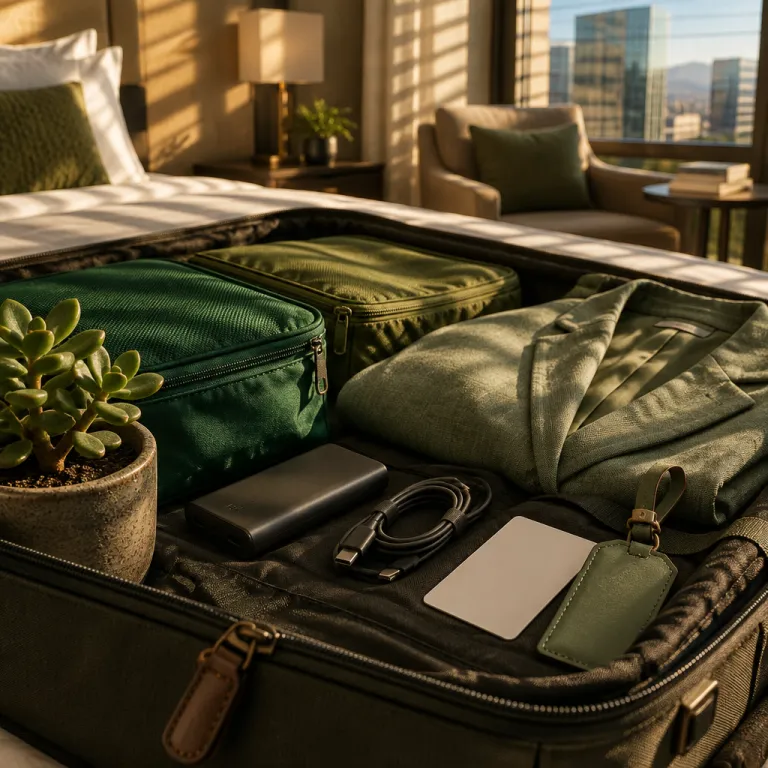
San Jose California relocation guide for hotel choices in the tech corridor
San Jose sits at the heart of Silicon Valley, and that geography shapes every hotel decision. In this San Jose California relocation guide, the focus is on how the city’s tech rhythm, commuting patterns, and housing pressures influence where you should sleep while scouting neighborhoods. If you are moving for work or planning a longer move to the Bay Area, your hotel strategy in the San Jose area can either smooth your relocation or make every day feel like a long-distance commute.
The city stretches across a wide valley framed by the South Bay hills, so choosing a hotel close to your target housing area matters more than shaving a few dollars off the nightly rate. Many movers arrive for interviews or short-term projects, then extend their stay while they evaluate real estate, schools, and local services, which means the line between business trip and relocation blurs quickly. This relocation guide treats your hotel as a temporary base for living, not just sleeping, because families and professionals need a calm place to make high-stakes decisions about their future in California.
Think of each stay as a stage in your move rather than a single booking. Early visits often focus on tech meetings in downtown San Jose or nearby Santa Clara, while later trips revolve around school district tours and weekend drives through neighborhoods such as Willow Glen, Almaden Valley, and Silver Creek. As your relocation progresses, your hotel priorities shift from proximity to corporate offices in Silicon Valley to easy access to the bay, the airport, VTA light rail, Caltrain at Diridon Station, and the real estate agents who will guide your final move.
Choosing the right area: mapping hotels to Silicon Valley lifestyles
Hotel location in San Jose should mirror the way you expect to be living once you move permanently. If your work life will orbit the tech giants and start-ups of Silicon Valley, staying near downtown, North San Jose, or Santa Clara keeps you close to major campuses, the airport, and the light rail network. This San Jose California relocation guide recommends aligning each hotel stay with the specific area you are evaluating, so you feel the real commute, the real noise levels, and the real evening atmosphere.
Business travelers tied to meetings in Palo Alto, Mountain View, or the west San Francisco corridor often underestimate South Bay traffic. A hotel in the wrong part of the Bay Area can turn a thirty-minute drive into a frustrating hour, especially during peak tech commuting times. When your relocation involves long-distance coordination with movers and corporate relocation services, you want a base that shortens your daily travel, not one that leaves you crawling along the US‑101 or I‑880 freeways.
For those comparing neighborhoods, consider a sequence of short stays in different parts of the city. Spend a few nights in Willow Glen to experience its tree-lined streets and village feel, then shift to Almaden Valley or Silver Creek to understand how high-end housing, school district options, and year-round outdoor living shape daily routines. If your role connects closely to how San Jose tech companies shape where business travelers stay, you will notice that hotels cluster along key corridors such as North First Street, around San José Mineta International Airport, and near Diridon Station, and choosing among them becomes part of your broader relocation strategy.
Hotel as relocation basecamp: amenities that matter when you are moving
When you are moving rather than just visiting, hotel amenities take on a different weight. A reliable desk, strong Wi‑Fi, and quiet rooms are essential for coordinating with movers, real estate agents, and relocation services across time zones. This San Jose California relocation guide also urges you to look for practical features such as on-site laundry, generous storage, and flexible housekeeping, because packing, unpacking, and repacking become part of your daily living.
Many San Jose properties cater to extended stays, which suits people who need several weeks to secure housing in a tight real estate market. Typical nightly rates for midrange hotels near San Jose Mineta International Airport or North San Jose often range from about $160 to $260, while extended-stay suites with kitchenettes can drop closer to $130 to $200 per night on monthly agreements. For example, extended-stay hotels near San Jose Mineta Airport and North First Street commonly advertise studio-style rooms with kitchenettes, on-site parking, and weekly housekeeping in that price band, according to 2023–2024 rate data from major booking platforms and hotel brand reports. Ask specifically about long-distance move support, such as accepting freight elevator deliveries for sample furniture, or holding parcels from local design studios and schools, and confirm whether there are handling fees for repeated shipments.
Families evaluating school district options should look for hotels near parks, libraries, and community centers. Spending evenings in these spaces helps you sense how children might feel living in that area year-round, from the South Bay suburbs to more urban pockets near downtown San Jose. One family relocating from Seattle, for instance, chose an extended-stay hotel near Willow Glen so they could walk to the local library and playground every evening; they later said that “those two weeks of hotel living told us more about daily life than any online neighborhood guide.” For a deeper sense of neighborhood character while you compare hotel locations, review what San Jose is known for when you are choosing a hotel, then match those traits to your own relocation priorities, from walkability and transit access to weekend hiking in the nearby foothills.
Neighborhood by neighborhood: where to stay while you test daily life
Each part of San Jose offers a distinct hotel experience that mirrors its housing stock and lifestyle. Downtown and North San Jose suit tech professionals who expect frequent trips to corporate offices, the airport, and meetings across the Bay Area. In this relocation guide, these zones work best for the early phase of a move, when you are still interviewing, networking, and exploring the broader Silicon Valley corridor from San Francisco down to the South Bay.
Willow Glen appeals to movers seeking a walkable, village-style environment with independent cafés and local services. Staying in or near this area lets you test how it feels to live close to the city core while still enjoying quiet streets and family-friendly parks. If your long-distance relocation includes children, use your hotel time here to drive school district catchment areas, visit campuses, and talk with parents about cost-of-living pressures and after-school activities.
Almaden Valley and Silver Creek sit closer to the foothills and offer larger homes, high-performing schools, and a strong sense of community. Hotels in or near these districts are fewer, so many people base themselves slightly north and commute down while they tour real estate listings and meet local agents. When you weigh the cost of living in these neighborhoods against central San Jose or the East Bay, your hotel bills become part of the calculation, because extended stays can quickly add up during a complex move. A simple comparison checklist can help you choose between options:
- Kitchenette or full kitchen: crucial for long stays and controlling food costs.
- Freight elevator and loading zone: important if movers will deliver boxes or furniture.
- Parking and EV charging: valuable if you will be driving across the South Bay daily.
- Transit proximity: look for easy access to VTA light rail, Caltrain, or major bus routes.
- Laundry facilities: on-site machines or in-room washer–dryer for extended relocations.
Logistics, movers, and the hidden costs of hotel based relocation
Relocating to San Jose often involves a web of logistics that intersect directly with your hotel choice. Coordinating with movers, storage facilities, and real estate closings from a cramped room can increase stress and extend the overall duration of your move. This San Jose California relocation guide recommends planning your hotel stays around key milestones such as packing dates, freight elevator bookings, and final walk-throughs, so you are never too far from where the action happens.
When you schedule a long-distance shipment, confirm whether your temporary building or serviced residence has a freight elevator that can handle large items. Some extended-stay properties in the city are better equipped for deliveries, which matters if you are receiving partial loads while still living between housing options. Ask your movers about their experience with San Jose and Bay Area properties, because local knowledge of parking rules, narrow streets, and building services can prevent costly delays.
Budgeting for hotel nights should sit alongside calculations for cost of living, rent, and real estate closing fees. Many people underestimate how many weeks they will spend in temporary accommodation while waiting for housing in high-demand areas like Santa Clara, Palo Alto, or the wider South Bay. If you are moving households with pets or complex school district needs, build in extra nights and choose hotels that offer transparent pricing, flexible cancellation, and easy access to both city amenities and suburban neighborhoods.
Balancing work, lifestyle, and hotel comfort in the bay area
Life in San Jose blends intense tech work with access to outdoor spaces, cultural venues, and regional travel. Your hotel should support that balance from the first scouting trip through the final days before you move into permanent housing. In this relocation guide, comfort is not a luxury but a tool that helps you make clear decisions about where in the Bay Area you want to build your long-term life.
Professionals whose offices sit along the Silicon Valley spine between San Francisco and San Jose may prefer hotels near major transit routes. This makes it easier to test different commuting patterns, from early morning drives to late evening returns after meetings or networking events. If you expect to travel frequently across the South Bay, East Bay, and Peninsula, choose stays that let you sample each corridor, so you understand how living in one area affects your access to the others year-round.
As you narrow your housing search, shift from purely functional hotels to properties that mirror your future lifestyle. If you plan to settle in a quiet residential pocket, stay in a calm area and walk the streets at night to gauge noise, safety, and community feel. When your work is deeply tied to the regional tech ecosystem, studying how San Jose tech companies shape where business travelers stay can also reveal which districts are evolving fastest and may offer the best long-term blend of services, schools, and quality of living.
Key figures for hotel based relocation in San Jose
- According to the U.S. Census Bureau’s 2023 population estimates, San Jose’s population exceeds one million residents, making it the largest city in the South Bay and the third largest in California, which intensifies competition for both hotels and permanent housing during peak moving seasons.
- Data from the City of San José Office of Economic Development and Cultural Affairs, updated in 2023, shows that more than half of local jobs are tied to tech and professional services, so hotel demand closely tracks hiring cycles in Silicon Valley and can push average daily rates significantly higher near major campuses.
- Reports from the California Association of Realtors for 2023 indicate that median home prices in the San Jose and Santa Clara County area consistently rank among the highest in the Bay Area, which encourages many newcomers to extend hotel or serviced apartment stays while they reassess real estate budgets.
- San José Mineta International Airport handled more than ten million passengers per year in the early 2020s, and a substantial share are business travelers linked to tech, which explains the dense cluster of hotels along the airport and North San Jose corridors.
- Regional transportation data from the Metropolitan Transportation Commission and Caltrans shows that commute times between San Jose, Palo Alto, and San Francisco can exceed one hour during peak periods, reinforcing the value of choosing hotels that align with your likely long-term commuting patterns.
FAQ about relocating to San Jose with a hotel first strategy
How long should I plan to stay in a hotel when relocating to San Jose ?
Most people relocating to San Jose should budget at least two to four weeks in a hotel or serviced apartment. The exact duration depends on how quickly you can secure housing in your preferred area and complete inspections, paperwork, and school district registrations. High demand in the Bay Area real estate market often stretches timelines, so building in extra nights reduces pressure.
Which San Jose neighborhoods are best to sample via hotel before choosing housing ?
For many movers, starting in downtown or North San Jose works well for job interviews and early tech meetings. As you refine your search, spending time near Willow Glen, Almaden Valley, or Silver Creek helps you compare different living styles, from walkable streets to larger hillside homes. If your work is spread across Silicon Valley, consider short stays near Santa Clara or Palo Alto to test commute patterns.
How can I control costs while living in a hotel during my move ?
To manage cost of living during a hotel-based relocation, negotiate extended-stay rates and look for properties with kitchenettes and laundry facilities. These features reduce daily expenses on meals and services while you coordinate with movers and real estate agents. Booking slightly outside peak tech conference periods in the Bay Area can also lower nightly rates.
Do I need a car while staying in a San Jose hotel for relocation ?
Having a car is highly practical when you are evaluating housing across the wider South Bay and East Bay. Public transport connects key parts of the city, but many residential neighborhoods and school visits are easier to reach by car. If you prefer not to drive, choose hotels near light rail or Caltrain links and budget extra time for each viewing.
What should I ask hotels about when coordinating with movers ?
Before booking, ask whether the property has a freight elevator, flexible loading zones, and staff accustomed to working with long-distance movers. Clarify policies on receiving packages, temporary storage, and extended check-out, especially if your real estate closing date might shift. Clear answers to these questions help you avoid last-minute complications on moving day.