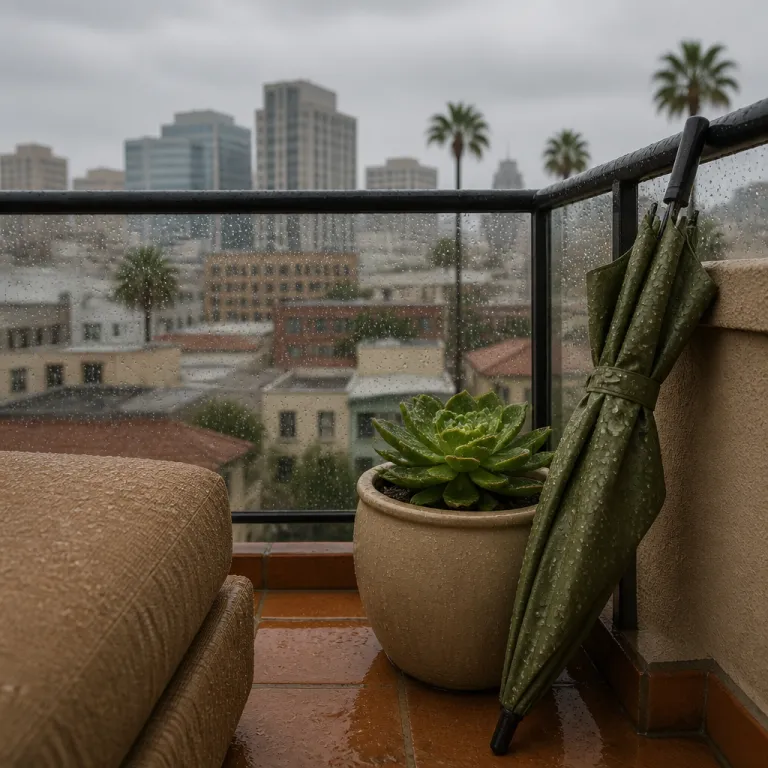
San Jose weather by month and how it shapes downtown stays
San Jose weather by month is remarkably stable, which reassures many travelers planning downtown stays. When you look at each month’s average temperature pattern, you quickly see why downtown San Jose hotels work so well for business and leisure trips. Across the year, the city offers many dry days with gentle high–low contrasts that suit urban exploration and short walks between meetings.
According to the National Weather Service and other climate data sources, the average temperature in San Jose stays within a narrow band, with winter days feeling cool rather than harsh. The city’s climate profile shows that even in January and February, daytime temperatures are comfortable enough for walking between meetings, galleries, and restaurants in the compact downtown grid. This predictable weather means you can choose a hotel based on location and amenities rather than worrying about extreme temperatures or disruptive precipitation.
For guests comparing downtown properties, understanding typical San Jose conditions month by month helps you decide whether a rooftop pool, shaded courtyard, or large windows will be most enjoyable during your stay. Many travelers prefer to visit in July or August, when sunshine hours are long and evenings remain pleasantly mild for rooftop bars overlooking the Tech Museum of Innovation. Others deliberately choose the quieter November–December period, when cooler days and occasional rain showers pair well with spa facilities, generous lobbies, and in-house dining.
| Month | Typical downtown conditions* | Rainfall trend | Best for | Helpful hotel features |
|---|---|---|---|---|
| January | Cool days, highs in the upper 50s °F, lows in the low 40s °F | Frequent light showers | Value-focused business trips | Strong heating, covered access to transit, cozy lobby seating |
| February | Cool, slightly milder than January | Wettest month (around 2.9 inches) | Convention visits with indoor plans | Direct routes to McEnery Convention Center, umbrellas on loan |
| March | Highs in the mid-60s °F, cool nights | Showers tapering off | Shoulder-season city breaks | Flexible cancellation, good in-room desks for mixed work and sightseeing |
| April | Mild, many clear afternoons | Mostly dry | Weekend cultural trips | Balconies or large windows, easy walks to museums and parks |
| May | Comfortably warm days, cool evenings | Very low rainfall | Outdoor dining and garden visits | Courtyards, terrace breakfasts, shaded seating |
| June | Highs in the low to mid-70s °F | Dry | Early-summer getaways | Rooftop pools, extended pool hours, sun loungers |
| July | Warmest month, average high near 77 °F | Almost no rain | Rooftop pool use and evening patios | Outdoor bars, shade structures, reliable air conditioning |
| August | Warm, dry, clear evenings | Very dry | Long summer stays | Quiet, well-insulated rooms, late-night terrace access |
| September | Summer-like days, cooler nights | Dry, start of subtle seasonal shift | Balanced weather and rates | Rooftop lounges, light bedding, walkable access to SAP Center |
| October | Mild days, crisp evenings | Still mostly dry | Shoulder-season city breaks | Outdoor fire pits, flexible meeting spaces, easy parking |
| November | Cooler, highs in the upper 50s °F | Rainfall increasing | Quieter urban retreats | Inviting interiors, strong heating, proximity to theaters |
| December | Cool, short days, soft winter light | One of the wetter months | Holiday visits and indoor events | Festive lobbies, on-site dining, convenient access to indoor attractions |
*Monthly figures summarized from National Weather Service and NOAA climate tables for San Jose International Airport, plus multi-year PlantMaps climatology.
Cool season months: january to march for value focused downtown stays
From January to March, San Jose’s coolest temperatures and highest rainfall arrive, yet conditions remain gentle by North American standards. In January, the average temperature typically features a high around the mid-teens Celsius (upper 50s °F) and a low near single digits (low 40s °F), with several days of light to moderate precipitation. These early-year patterns create an appealing window for travelers who prefer calmer streets and more competitive downtown hotel rates.
During January and February, you can expect more rainy days than in any other period, but showers are usually brief and interspersed with clear sunshine hours. The National Weather Service notes that “February, averaging 2.9 inches of rain,” is the wettest month, a figure confirmed by NOAA climate summaries for San Jose International Airport. Savvy guests often choose properties close to San Jose McEnery Convention Center or the SoFA arts district to minimize walking in wet weather, and one repeat visitor described January stays as “quiet, cool, and perfect for catching up on work between sessions.” When you understand this winter rhythm, you can prioritize hotels with covered access to light rail, generous lobby seating, and reliable in-room heating for cool evenings.
As you move into late February and March, the average temperature edges upward, and downtown terraces begin to feel inviting again during the warmest part of the day. Many hotels respond to these changing conditions by opening outdoor lounges in the afternoon while still keeping fireplaces active for the lower temperature after dark. For travelers, this late winter period offers a refined balance of value, comfort, and manageable wind speed, especially if you plan to combine meetings with short walks to San Pedro Square Market or the nearby cultural venues.
Spring transition: march to june for cultural weekends and flexible packing
Spring in San Jose, from March–April through April–June, is defined by gradually rising temperatures and sharply declining precipitation. In March, the monthly average often reaches the high teens Celsius (mid-60s °F) during the day, while low readings at night still call for a light jacket. By April, many days are dry, and sunshine hours increase enough to encourage outdoor dining around Plaza de César Chávez and the Guadalupe River Park.
During March and April, the local climate becomes especially attractive for travelers who dislike heat but want to enjoy long, bright days. Rainfall decreases significantly compared with January and February, and wind speed generally remains modest, which makes walking between downtown hotels, museums, and restaurants comfortable at almost any hour. This is an excellent time to book a room with large windows or a balcony, since high–low temperature swings are mild and the city skyline views are often crystal clear after earlier season showers.
By the time you reach April–June, the average temperature climbs further while precipitation drops to minimal levels, creating some of the most reliable conditions of the year. Many hotels in downtown San Jose adjust their services to match these milder, drier days, extending pool hours, opening rooftop lounges earlier in the day, and offering outdoor yoga or terrace breakfasts. If you are planning cultural day trips from a central base, this is also the ideal moment to consult curated neighborhood guides such as where to stay in San Jose for museums, gardens, and cultural day trips, then align your booking with the time of year that best matches your itinerary.
Dry and bright: june to september for rooftop pools and evening walks
From June–July through August–September, San Jose weather reaches its driest and sunniest phase, which strongly shapes downtown hotel experiences. In June, the monthly average temperature is warm but rarely oppressive, with daytime highs typically in the low to mid-20s Celsius (low to upper 70s °F) and nighttime lows remaining comfortable. This combination of stable temperatures, low precipitation, and generous sunshine hours makes rooftop pools and open-air lounges especially appealing.
During June and July, many hotels in downtown San Jose extend poolside service into the evening, taking advantage of light breezes and modest wind speed that keep conditions pleasant. July is statistically the warmest month, and the dataset confirms that “July, with an average high of 77 °F,” stands at the top of the temperature range without reaching extremes, a value echoed in National Weather Service climate tables. For guests, this means you can enjoy high temperatures suitable for swimming during the day, then sleep comfortably at night thanks to the relatively low humidity and cooler readings after sunset.
As you move into July–August and then August–September, the pattern of dry days continues, with almost no rainfall and very consistent average temperature values. These months are ideal if you want to maximize outdoor time around downtown, whether that means walking from your hotel to SAP Center for a Sharks game or exploring the restaurant corridors near San Pedro Square. Because the local climate is so predictable in late summer, you can confidently prioritize hotels with outdoor amenities, knowing that most days in this period will deliver clear skies and warm but manageable temperatures.
Subtle shifts: september to november for balanced city breaks
The transition from late summer into autumn, spanning September–October and October–November, brings subtle but meaningful changes to San Jose’s month-by-month weather. In September, the average temperature remains warm, with high readings only slightly below those of July and August, while low values at night begin to dip enough to feel refreshing. This makes early autumn an excellent time for travelers who want summer-like days with a touch of evening coolness for comfortable sleep in well-insulated downtown rooms.
During September and October, precipitation remains very low, and sunshine hours stay generous, so outdoor dining and rooftop venues continue to operate at full strength. Many hotels use this period to host terrace events, knowing that most days will be dry and that wind speed typically stays gentle in the urban core. For guests, this means you can pack lightly, relying on a mix of short sleeves for the day and a single layer for the cooler low temperature after dark.
As October–November arrives, the city gradually shifts toward the cooler, wetter pattern of winter, but conditions are still mild compared with many other American cities. Average temperature values fall a few degrees, and the chance of precipitation increases, yet there are still many clear days ideal for walking between your hotel, the San Jose Museum of Art, and the historic buildings around Plaza de César Chávez. Travelers who appreciate quieter city breaks often favor this shoulder season, when room availability improves, rates can soften, and the balance between daytime warmth and evening chill suits both business attire and relaxed evening wear.
Winter light: november to january for calm city stays
From November–December through January, the South Bay enters its coolest and wettest phase, yet the climate remains gentle enough for comfortable downtown stays. In November–December, the average temperature typically features daytime highs in the mid-teens Celsius (upper 50s °F) and low readings that may dip toward single digits (low 40s °F), while rainfall becomes more frequent but rarely disruptive. These conditions encourage travelers to choose hotels with inviting interiors, strong heating systems, and convenient access to indoor attractions such as theaters and galleries.
During November and December, many hotels in downtown San Jose adjust their services to reflect the increased precipitation and shorter sunshine hours. You will often find enhanced lobby offerings, from afternoon tea to extended bar hours, designed to make staying indoors as appealing as exploring the city on cooler days. Because wind speed usually remains moderate, short walks between your hotel, nearby restaurants, and the convention center are still manageable with a compact umbrella and a warm coat.
By January, the annual cycle resets, bringing another period of cool, occasionally rainy days that are ideal for value-conscious travelers. The regional climate profile shows that even in the heart of winter, high–low temperature ranges are modest, and extreme cold is rare, which reduces the risk of weather-related travel disruption. For guests, this means you can confidently book downtown stays focused on cultural experiences, business meetings, or quiet retreats, knowing that the city’s winter weather will be cool but rarely severe.
How sea influences, averages, and wind shape hotel planning
Although San Jose sits inland, the nearby Pacific Ocean exerts a steady moderating influence that shapes local weather patterns throughout the year. Marine air flowing through the coastal gaps helps keep the average temperature range narrow, preventing the very high temperatures and very low temperatures seen in more continental climates. This maritime effect is one reason why long-term climate data shows such consistent monthly averages across the year.
When travelers ask about sea temperature or average coastal conditions, they are usually planning combined city-and-coast itineraries that include both San Jose and nearby beaches such as Santa Cruz. While San Jose itself has no coastline, the same regional patterns that govern sea temperature also help stabilize inland weather, leading to predictable sunshine hours and manageable wind speed in the downtown core. For hotel guests, this means you can confidently plan rooftop events, outdoor receptions, or poolside afternoons in many months without worrying about sudden, extreme shifts in weather.
Understanding these broader patterns, from ocean influences to local wind speed trends, allows you to interpret San Jose weather by month data more intelligently when choosing a downtown hotel. If you value quiet sleep, for example, you might prefer an interior-facing room during periods when evening breezes are strongest, even though overall wind speeds remain modest. By aligning your preferences with the city’s stable temperatures, low precipitation totals, and reliable sunshine hours, you can refine your booking strategy and select a property that complements both the climate and your travel style.
Key climate figures for planning downtown San Jose stays
- Average annual high temperature in San Jose is about 21 °C (70 °F), while the average annual low temperature is close to 9 °C (48 °F), indicating a narrow and comfortable range for city breaks (PlantMaps, multi-year climatology; National Weather Service monthly normals for San Jose International Airport).
- Annual precipitation in San Jose is roughly 386 millimetres (about 15 inches), with most rainfall concentrated between November–December and February–March, which helps travelers anticipate when to prioritize indoor-focused hotels (PlantMaps long-term averages; NOAA climate data for the South Bay region).
- July stands out as the warmest month, with an average high near 25 °C (77 °F), yet humidity remains modest, making rooftop pools and outdoor dining in downtown hotels particularly attractive (National Weather Service climate summaries and historical temperature tables).
- February typically records the highest monthly rainfall, with “February, averaging 2.9 inches of rain,” which is still low compared with many American cities and rarely disrupts urban mobility (National Weather Service historical precipitation data for San Jose).
- Long-term analyses show gradual warming over recent decades and a slight decrease in annual precipitation, trends that reinforce San Jose’s reputation for reliable, mostly dry weather suitable for year-round travel (NOAA climate trend reports and local meteorological agencies).
FAQ about San Jose weather by month and downtown hotels
What is the warmest month in San Jose for hotel pool use ?
July is the warmest month in San Jose, with an average high around the mid-20s Celsius (77 °F), which makes it ideal for using rooftop and outdoor pools in downtown hotels. During July and August, rainfall is minimal and sunshine hours are long, so most days in this period are suitable for extended time by the water. Evening low temperatures remain comfortable, allowing guests to enjoy outdoor terraces well after sunset.
When does San Jose receive the most rainfall, and how does it affect stays ?
San Jose receives the most rainfall in February, when “February, averaging 2.9 inches of rain,” marks the peak of the wet season. Even then, showers are usually intermittent, and many days remain dry enough for walking between downtown attractions and hotels. Travelers visiting in January–February or February–March may wish to choose properties with strong indoor amenities, such as spas, lounges, and direct access to convention facilities.
Is snowfall common in San Jose, and should I worry about winter disruption ?
Snowfall is extremely rare in San Jose, and it almost never affects downtown hotel operations or transport links. The typical winter climate features cool rain rather than snow, with average temperature values staying well above freezing. This means you can plan business trips or city breaks in November–December and January with little concern about snow-related delays.
Which months offer the best balance of price and pleasant weather for downtown stays ?
Shoulder seasons such as March–April and September–October often provide the best balance between comfortable temperatures, lower precipitation, and more attractive hotel rates. During these months, San Jose’s month-by-month weather delivers warm days and cooler nights, with many clear skies and manageable wind speed. Travelers who value both outdoor time and budget-friendly options frequently target these periods for downtown bookings.
How should I pack for a downtown San Jose trip based on the month ?
For summer visits in June–July or July–August, pack light clothing, sun protection, and a layer for cooler evenings, since high–low temperature differences can be noticeable after dark. In winter months such as November–December and January, bring a waterproof jacket, closed shoes, and a warm layer for rainy days, though heavy winter gear is rarely necessary. Throughout the year, the city’s stable average temperature profile means a flexible layering approach will keep you comfortable in both indoor hotel spaces and outdoor urban settings.