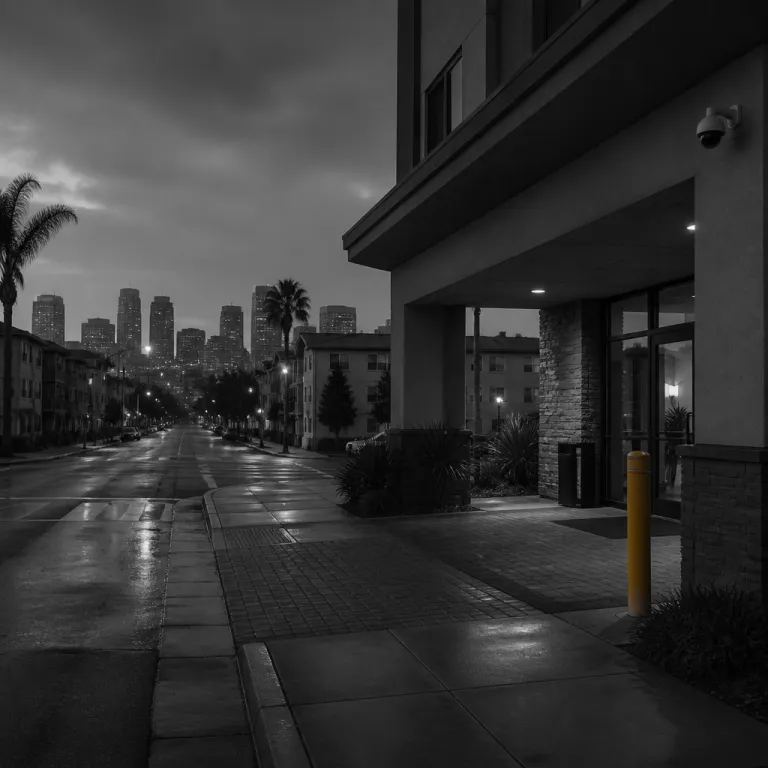
Understanding the san jose california crime rate before you book
The San Jose, California crime rate is a crucial factor for any traveller choosing a hotel in the San Jose area. When you understand how violent crime and property crime are distributed across the city, you can match your accommodation to your risk tolerance and travel style. That knowledge lets you balance convenience, budget, and safety rather than relying on vague impressions from crime San Jose headlines or outdated anecdotes about the city.
According to recent crime data from the San Jose Police Department and FBI Uniform Crime Reporting (UCR) tables for the latest full year available (2022 citywide figures), the violent crime rate in San Jose is about 606.8 incidents per 100,000 residents, which places the city significantly above the national average for violent crimes in that year. This figure includes aggravated assault, rape, robbery, and other serious offenses, and it has risen steadily over each year in the most recent reporting period. At the same time, the property crime rate is around 2,587.9 incidents per 100,000 residents, reflecting a persistent challenge with theft, vehicle theft, and other property crimes that hotel guests must factor into their plans.
San Jose remains a major technology hub with busy business districts, nightlife, and transport corridors, and those features shape where crimes cluster and how law enforcement responds. The San Jose Police Department and partner enforcement agencies collect detailed crime data through systems such as the FBI Uniform Crime Reporting Program and the National Incident Based Reporting System, which helps clarify which neighbourhoods see more reported offenses. For someone booking a room, that means you should look beyond the total citywide crime rates and focus on the specific blocks around your chosen hotel, your planned walking routes, and your typical hours of movement.
How violent crimes and property crimes affect hotel areas
Not all parts of the city experience the same mix of violent crimes and property crimes, and that variation matters when you compare hotels in the San Jose area. In central districts near major venues, the most common offenses affecting visitors are usually property crime incidents such as theft from a motor vehicle, vehicle theft, and opportunistic bag theft in crowded spaces. By contrast, some residential pockets away from the core may show lower total crime but a slightly higher share of violent crime such as aggravated assault or rape robbery cases between known parties.
For hotel guests, the San Jose crime rate is most tangible through risks like vehicle theft in open car parks, theft motor incidents targeting scooters or motorcycles, and theft of valuables left visible in rooms or lobbies. Violent crime against short term visitors is less frequent than property crimes, yet the chance victim still depends on how and where you move around the city at night. When you review crime data maps or a police department report, pay attention to clusters of reported offenses within a few hundred metres of your preferred hotel, especially along the streets you would walk to restaurants or public transport.
Areas with busy nightlife often show higher numbers of reported crimes, but many of these offenses involve disorder, minor theft, or disputes rather than targeted attacks on tourists. Hotels that invest in visible security, controlled access, and close cooperation with San Jose police and other enforcement agencies can significantly reduce the practical impact of local crime rates on their guests. When you compare properties, look for details about on site security teams, secure underground parking for any motor vehicle, and staff training in handling police report procedures if an incident occurs.
Reading crime data like a local before choosing your district
Travellers often see a single headline number for the San Jose, California crime rate and assume the entire city shares the same risk profile, which is rarely accurate. In reality, crime data is highly localised, and the difference between two blocks can be more important than the difference between two cities. To choose a hotel wisely, you should treat crime rates as a starting point and then drill down into the pattern of reported offenses around specific addresses.
Begin by checking recent police department summaries that break down total reported crimes into categories such as violent crime, property crime, and specific offenses like vehicle theft or aggravated assault, then cross reference those figures with maps that show where incidents cluster. Look for trends over more than one year, because a single spike in reported crime can reflect a focused enforcement campaign or a one off series of incidents rather than a persistent risk. When you see that violent crimes are concentrated in certain nightlife corridors while property crimes such as theft from vehicles are more evenly spread, you can decide whether to prioritise a quieter residential area or a central location with stronger law enforcement visibility.
Many enforcement agencies and independent analysts now publish interactive tools that let you filter crimes by type, time of day, and distance from a chosen point, which is ideal when you already have a shortlist of hotels. By entering each hotel address and reviewing the surrounding offenses, you can estimate your chance of becoming a victim during a typical stay, focusing on the kinds of crime most relevant to visitors. This approach turns abstract crime rates into practical guidance, helping you weigh the benefits of walkability and nightlife against the realities of local crime San Jose patterns.
Working with the San Jose Police Department and hotel security culture
Behind every statistic in the San Jose crime rate is a network of law enforcement agencies, hotel managers, and residents who shape how safe a visitor actually feels. The San Jose Police Department is the primary law enforcement agency for the city, and its officers work closely with hotels, transport hubs, and business associations to manage crime risks in areas with high visitor traffic. Their crime data and regular report releases inform where patrols are concentrated, how quickly police respond to calls, and which corridors receive extra attention during major events.
For hotel guests, the quality of cooperation between a property and San Jose police can matter as much as the raw crime rate in the surrounding streets, because strong relationships often translate into faster responses and better prevention. When you research hotels, look for signs that management engages actively with the police department, such as participation in local safety programmes, staff training on how to file a police report, and clear procedures for assisting guests who experience theft or other offenses. Properties that treat security as part of their service culture tend to have lower internal crime, fewer unreported incidents, and more transparent communication with residents and visitors alike.
Official guidance for visitors often echoes three simple recommendations that apply directly to hotel guests, namely “Stay informed about local crime statistics. Exercise caution in areas with higher crime rates. Follow local law enforcement advisories.” When a hotel reinforces these messages with practical measures such as secure keycard access, monitored car parks for every motor vehicle, and discreet surveillance in public areas, the chance of a guest becoming a victim of property crimes or violent crimes drops significantly. In a city where the safety grade has been assessed as low in recent multi year reviews based on San Jose Police Department and FBI UCR data, that kind of proactive partnership between hotels and enforcement agencies is a meaningful differentiator.
Practical safety strategies for hotel guests in a high crime rate city
Once you understand the San Jose, California crime rate, the next step is to translate those numbers into everyday habits during your stay. Most crimes affecting visitors involve opportunity rather than targeted attacks, which means small adjustments can dramatically reduce your exposure. Think of safety as a shared responsibility between you, your hotel, and local law enforcement rather than a background worry you cannot influence.
Start by choosing a hotel that offers secure parking if you plan to use a motor vehicle, because vehicle theft and theft motor incidents are among the most common property crimes in many urban areas. Ask whether the car park is gated, monitored, and well lit, and whether the hotel has a protocol for assisting guests with police report filings if a theft occurs. Inside the property, use room safes for passports and electronics, avoid leaving valuables visible in public spaces, and pay attention to how staff manage access to lifts and guest floors, since these details often correlate with lower internal crime rates.
Outside the hotel, plan your walking routes to minimise time in poorly lit or isolated streets, especially late at night when the risk of violent crime such as aggravated assault or rape robbery can rise. If you must cross areas with higher reported offenses, consider using licensed taxis or reputable ride services rather than walking, and keep your phone charged so you can contact the police department quickly if needed. By combining these personal precautions with a hotel that takes security seriously, you significantly reduce your chance of becoming a victim despite the elevated total crime levels in the San Jose area.
Balancing crime rates, neighbourhood character, and hotel value
Choosing where to stay in a city with a challenging San Jose, California crime rate is ultimately an exercise in balancing risk, convenience, and budget. Some districts with slightly higher reported property crimes may offer excellent access to business centres, cultural venues, and transport, which can be worth the trade off if your hotel has strong internal security. Other neighbourhoods with lower total offenses might require longer journeys and higher transport costs but provide a calmer atmosphere that some residents and visitors prefer.
When you compare options, do not focus solely on whether an area has more or fewer crimes, but rather on the types of offenses most common there and how they intersect with your plans. A corridor with frequent vehicle theft may be acceptable if you are not driving a motor vehicle, while a nightlife strip with occasional violent crimes might be less appealing if you expect to return late on foot each night. Look at multi year crime data to see whether crime rates are trending upward or stabilising, and consider how visible the presence of San Jose police and other enforcement agencies is in the streets around each hotel.
Ultimately, the chance of becoming a victim depends on a combination of local conditions, hotel practices, and your own behaviour, not just the headline crime rate for the city. By treating crime San Jose statistics as one factor among many, you can still enjoy the energy and opportunities of San Jose while staying in accommodation that aligns with your comfort level. The key is to use reliable data, ask precise questions of each property, and choose a location where both the neighbourhood and the hotel’s security culture support the kind of stay you want.
Key figures on the san jose california crime rate for hotel guests
- The violent crime rate in San Jose is approximately 606.8 incidents per 100,000 residents for the latest full reporting year (2022 citywide data from the San Jose Police Department and FBI UCR), which is about 69 percent higher than the national average and signals a need for careful neighbourhood selection when booking a hotel.
- The property crime rate stands near 2,587.9 incidents per 100,000 residents in the same year, indicating that theft, vehicle theft, and related property crimes are the most common risks for visitors who park cars or carry visible valuables.
- The city’s murder rate is around 2.7 incidents per 100,000 residents for that reporting year, which remains relatively low compared with many large urban centres, but it coexists with a broader pattern of violent crimes that shapes overall safety perceptions.
- Recent assessments based on multi year crime data from the San Jose Police Department, FBI Uniform Crime Reporting Program, and National Incident Based Reporting System have assigned San Jose a low safety grade, reflecting the combined impact of violent crime and property crime on residents and travellers, and underlining the importance of choosing hotels with strong security measures.
- Crime statistics for San Jose are compiled annually using data from the San Jose Police Department, the FBI Uniform Crime Reporting Program, and the National Incident Based Reporting System, providing a consistent basis for tracking crime rates over multiple years.
FAQ about the san jose california crime rate and hotels
What is the current violent crime rate in San José
The current violent crime rate in San Jose is 606.8 incidents per 100,000 residents for the most recent full year of available data (2022 citywide totals from San Jose Police Department reports and FBI UCR tables), which places the city significantly above the national average for violent crimes. This figure includes offenses such as aggravated assault, rape, and robbery, and it is based on recent crime data collected from law enforcement reports. Travellers should interpret this number in context by examining neighbourhood level patterns rather than assuming uniform risk across the entire city.
How does the san jose california crime rate compare to the national average
San Jose’s violent crime rate is about 69 percent higher than the national average for the same reporting year, while its property crime rate also remains elevated compared with many other large cities. These differences mean that both residents and visitors face a higher baseline risk of offenses such as theft, vehicle theft, and aggravated assault than they might in some other urban areas. For hotel guests, this comparison underscores the value of choosing properties with robust security and of following local law enforcement advisories.
Which types of crime most often affect hotel guests
Hotel guests in San Jose are most likely to encounter property crimes, particularly theft from rooms or lobbies, theft from a motor vehicle, and full vehicle theft from unsecured car parks. Violent crime against short term visitors is less common, but risks such as robbery or assault can increase late at night in certain corridors with higher reported offenses. By focusing on secure parking, careful handling of valuables, and well lit routes, travellers can reduce their chance of becoming a victim despite the elevated citywide crime rates.
How can I check whether my hotel’s neighbourhood is safe
You can review recent crime data from the San Jose Police Department and other enforcement agencies, paying attention to maps that show where violent crimes and property crimes cluster around specific addresses. Look for patterns over more than one year, and note whether offenses such as vehicle theft, aggravated assault, or rape robbery are frequent near your chosen hotel. Combining these data with on the ground impressions of lighting, foot traffic, and visible police presence will give you a realistic picture of local safety.
What practical steps should I take if I experience a crime during my stay
If you experience theft, assault, or any other crime while staying in San Jose, contact the police department immediately and ask hotel staff to help you file a detailed police report. Provide clear information about the time, location, and nature of the offense, including any damage to a motor vehicle or loss of documents, so that enforcement agencies can include the incident in official crime data. After reporting, request written confirmation for insurance purposes and ask your hotel about any additional support they offer to residents and guests affected by crimes.
Trusted sources for san jose california crime rate information
FBI Uniform Crime Reporting Program (UCR)
National Incident Based Reporting System (NIBRS)
San Jose Police Department official crime statistics